United Kingdom / journal
Computer Vision & High-Speed Object Tracking in Sports Engineering
Computer vision object tracking and high speed object tracking sports techniques like blob tracking and motion analysis help improve ball tracking and speed measurement.
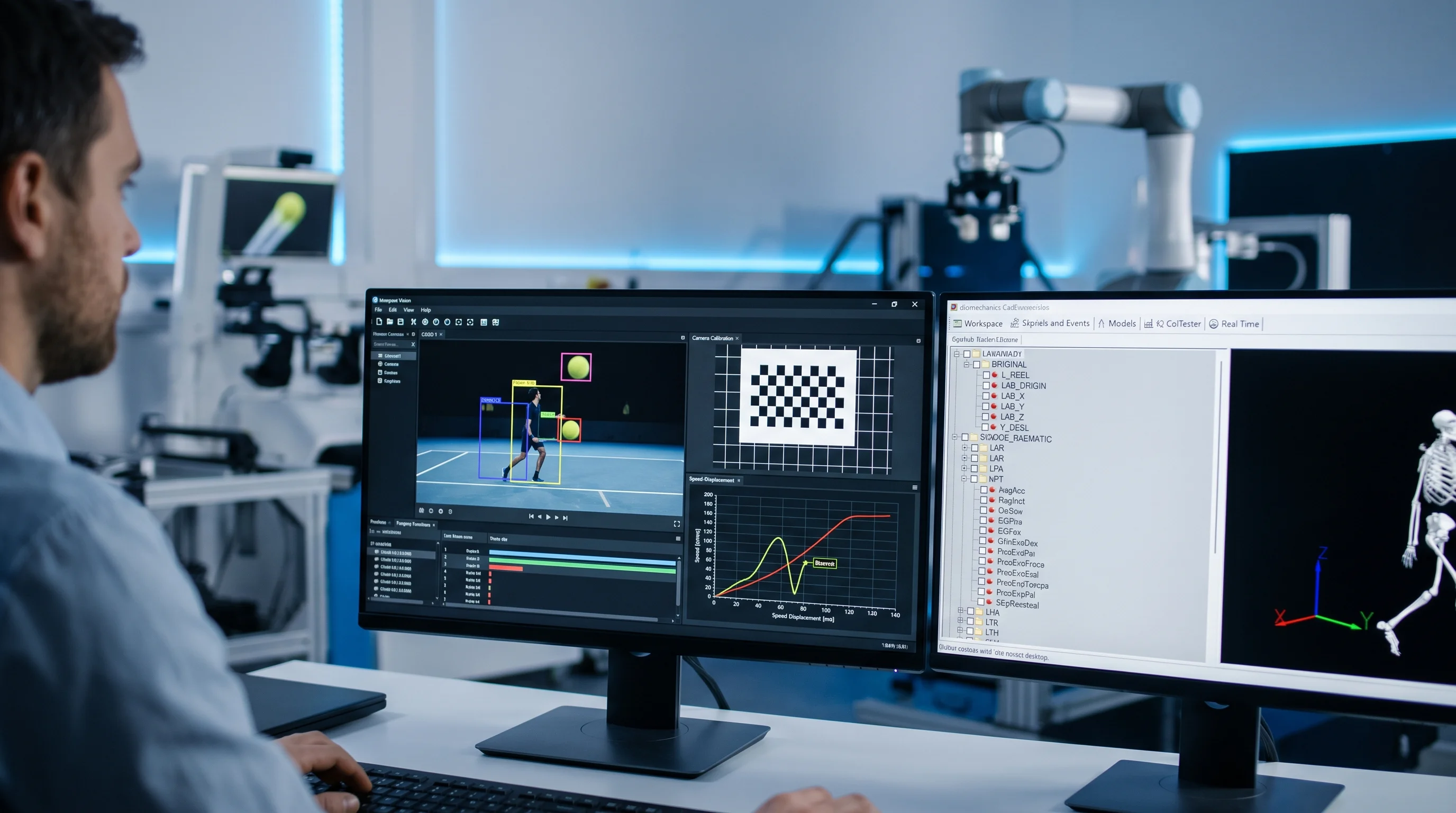
Sports engineering has changed a lot in the last decade. One of the biggest shifts is the rise of computer vision object tracking. Teams, coaches and engineers now use cameras and smart software to follow balls, players and equipment in real time. These systems help measure speed and displacement, analyse trajectories, and give clear, repeatable data for better training and design. In this article, we explain how these tools work, why high speed object tracking sports setups matter, and how simple algorithms such as blob tracking algorithm are used in motion analysis sports engineering.
Why computer vision object tracking matters in sport
How object tracking systems work in simple terms
At its core, a tracking system captures video, finds the object in each frame, and links those detections over time. Cameras collect footage at certain frame rates — higher frame rates capture faster movement with less blur. The software then detects features like edges, colour or shape to spot the object. Detection methods range from simple thresholding to modern deep learning models. Once the object is found, the tracker follows it from frame to frame. This gives a time-stamped path you can analyse for speed and displacement measurement. The whole chain — capture, detect, track, analyse — is the backbone of motion analysis sports engineering.
High speed object tracking sports setups — what changes?
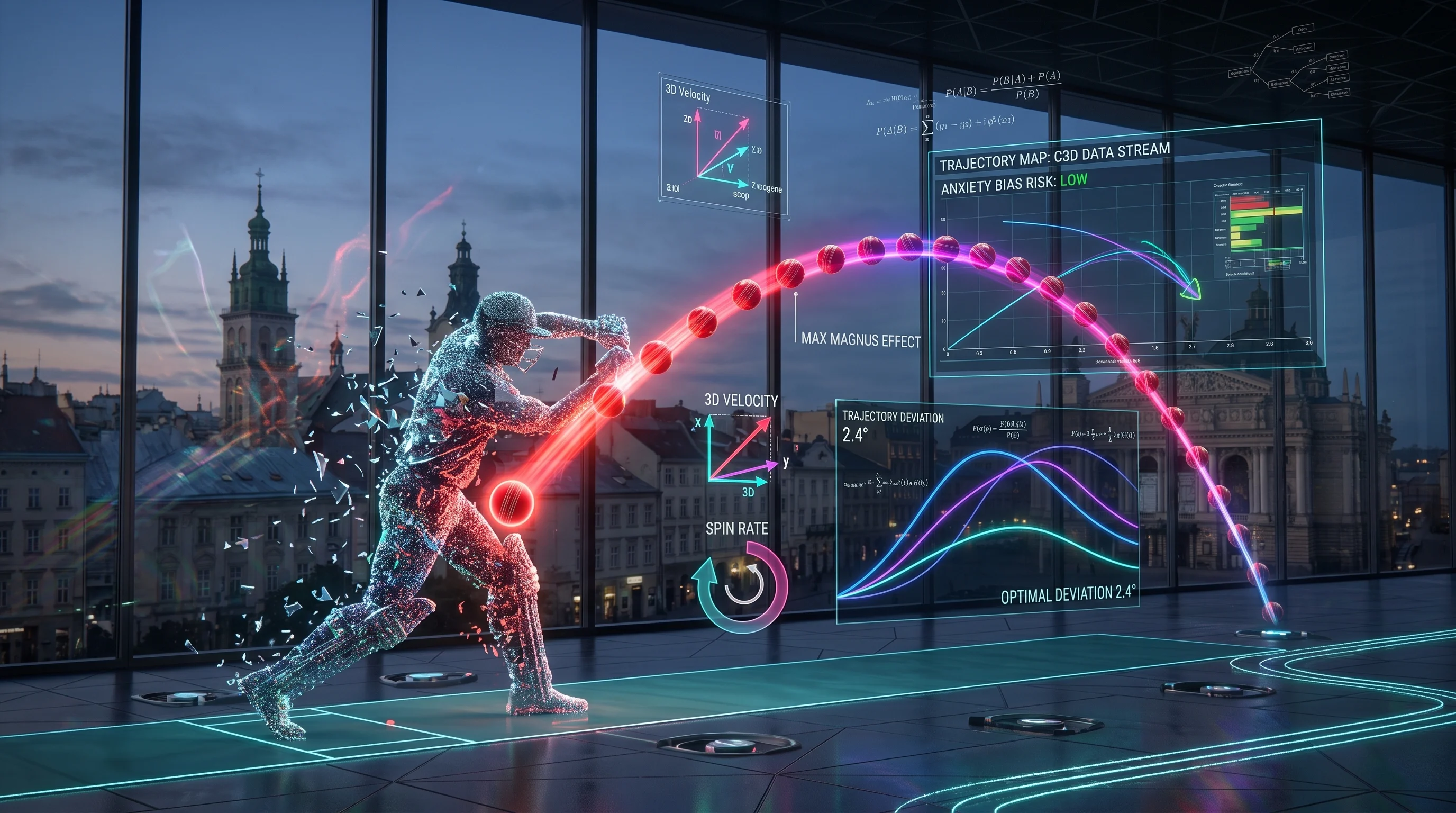
High speed object tracking sports setups use faster cameras and tuned software to handle very quick movements. Think of a tennis serve or a cricket ball after it leaves the bowler’s hand — those happen in fractions of a second. Ordinary cameras can miss key moments or produce motion blur. High-speed cameras run at hundreds or thousands of frames per second so each tiny motion is recorded clearly. Alongside better cameras, you need tight synchronization, enough light, and optimized algorithms. When set up correctly, these systems allow precise measurement of peak speed, spin and tiny trajectory changes.
Blob tracking algorithm: a simple, robust approach
One of the simplest ways to follow an object is with a blob tracking algorithm. A “blob” is a region in the image that differs from the background by colour, brightness or texture. The system segments the frame to find these blobs, then tracks the blob’s centre across frames. Blob tracking is fast and works well when the object contrasts with the background, like a bright ball on a darker pitch.
Blob tracking has a few clear advantages: it uses less computing power, it is easy to implement, and it is reliable in controlled settings. Its limits show up in cluttered scenes, changing lighting, or when multiple similar objects appear. Still, for many sports applications — especially in labs and controlled training environments — blob tracking delivers the core metrics needed for motion analysis sports engineering.
From raw tracks to useful measures: speed and displacement
Sports trajectory analysis: practical uses
Trajectory analysis is useful across many sports. In football, tracking the ball helps study curve, spin and shot placement. In athletics, tracking a javelin or discus offers insight into release angle and speed. In racquet sports, tracking the shuttlecock or ball helps fine-tune equipment and technique. Coaches use trajectory data to correct technique, and engineers use it to design gear that performs more consistently. Combined with player tracking, trajectory data helps answer broader questions like how tactical choices affect ball speed and path.
Optical tracking systems vs other methods
Optical tracking systems use cameras and software to see and track objects. Other methods include wearable sensors, radar or magnetic systems. Each has pros and cons. Optical systems are non-invasive and can track many objects at once, making them ideal for live sports and lab tests. They depend on line-of-sight and good lighting. Radar measures speed directly and works well for simple speed checks but gives limited spatial detail. Wearables provide internal data like orientation and forces but need the object or athlete to carry a device. In practice, engineers often combine systems to get the most complete picture.
Case studies: real-world value
Small and large organisations use these tools in different ways. A club might use ball tracking technology to review set pieces and shooting accuracy. A sports engineering lab might use high speed object tracking sports systems to test new ball designs under repeatable conditions. In both settings, data from blob tracking algorithm implementations or more advanced trackers helps teams spot small improvements that add up over a season. For example, measuring the exact point of impact and resulting spin on a ball can guide small tweaks in technique that translate to measurable performance gains.
Challenges and limits to remember
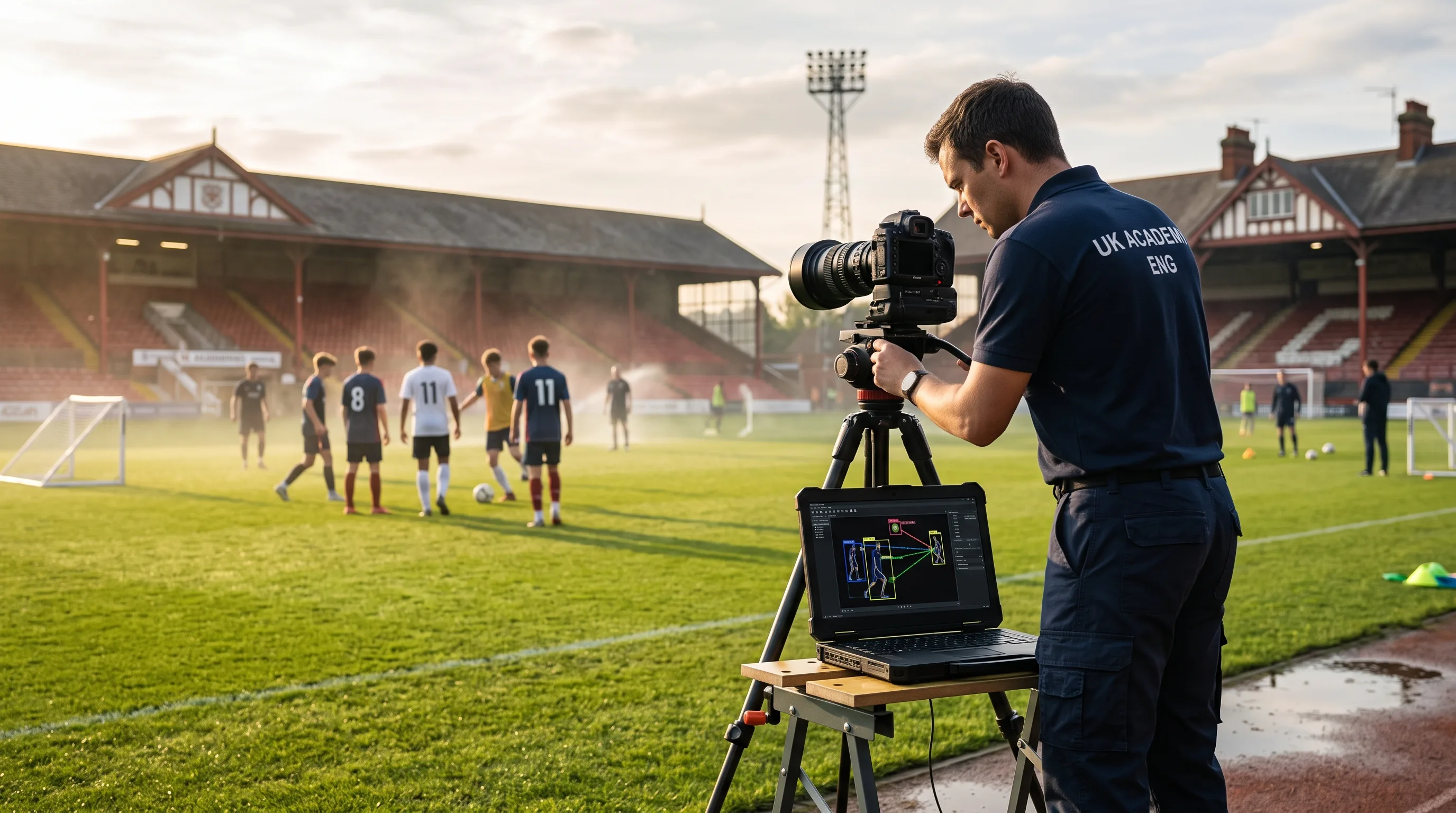
No system is perfect. Lighting changes, occlusion (when one object blocks another), similar colours, and reflections can confuse trackers. High-speed cameras require more light and produce large files, which raises storage and processing costs. Real-time tracking demands strong hardware and efficient algorithms. There is also a need for careful calibration to convert pixel measurements into real-world distances accurately. Finally, privacy and data ownership are important when tracking players — teams must handle data responsibly and follow local regulations, including those in the United Kingdom.
Best practices for reliable motion analysis sports engineering
Start with good hardware: choose cameras with adequate frame rate and resolution for the movement you want to capture. Set up even lighting and minimise background clutter. Calibrate your system carefully so pixel positions map to real distances. Use a simple blob tracking algorithm where it is sufficient — it is fast and robust. For more complex scenes, use feature-based or machine learning detectors that handle occlusion and look-alike objects. Finally, validate results with ground truth tests, like radar measurements or high-precision markers, to be sure your speed and displacement values are accurate.
Getting started: simple experiments you can try
You don’t need expensive gear to learn the basics. Start with a high-frame-rate smartphone or a consumer camera. Record a ball thrown across a plain background. Use open-source tools or simple scripts to perform blob tracking and plot position over time. Calculate speed by dividing distance by time between frames. Try different filters to smooth the trace. These small experiments teach core concepts and make it easier to scale up to lab-grade equipment later.
FAQ — common questions about tracking and analysis
What is the main difference between object detection and object tracking?
Object detection finds where an object is in a single frame. Object tracking links those detections across frames so you have a continuous path over time. Tracking needs detection as its first step.
Can blob tracking algorithm work in live games?
Blob tracking can work in live games if the object contrasts well with the background and lighting is stable. In crowded scenes or with occlusion, more advanced trackers are better.
Why use high speed object tracking sports setups instead of normal video?
High-speed setups reduce motion blur and capture quick events more clearly, which improves accuracy when measuring peak speed, spin and tiny motion changes.
How accurate are speed and displacement measurements from optical tracking systems?
Accuracy depends on camera resolution, frame rate, calibration and lighting. With careful setup, optical systems can be very accurate, but validation against ground truth helps confirm results.
Do teams need special permission to track players and balls?
Clubs should follow laws and competition rules about data and privacy. In many cases, consent and clear data policies are required, especially for personal tracking data.
What software tools are commonly used for motion analysis sports engineering?
Tools range from open-source libraries like OpenCV for blob tracking to commercial platforms offering full optical tracking with analytics. The choice depends on budget, scale and real-time needs.